
With sustainable agriculture explained, exploring how agricultural productivity can be maintained over time helps protect natural resources…
Sustainable agriculture offers ways to produce food while protecting the natural resources farming depends on. For anyone exploring this field, understanding its principles helps explain how agricultural productivity can be maintained over time. Resources from agricultural books publishers in India can also help readers explore the science behind sustainable farming systems.
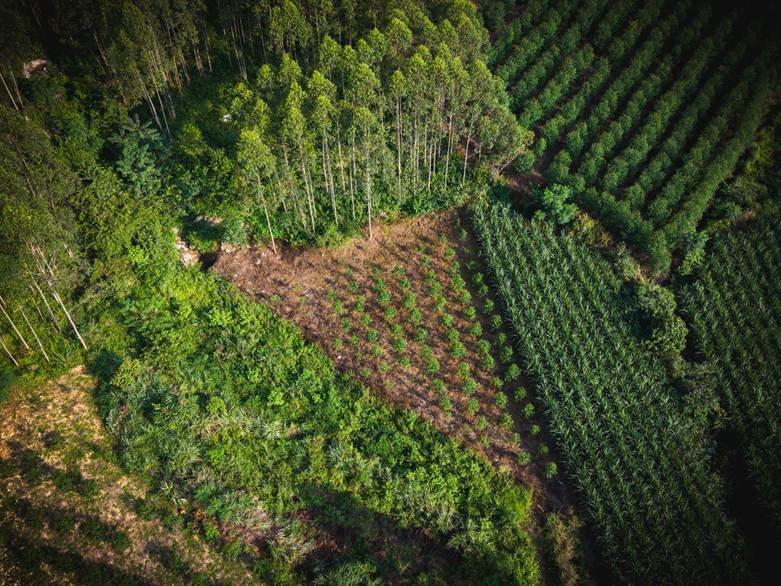
Alt text: agricultural books publishers in India – sustainable agricultural
What Is Sustainable Agriculture and Sustainable Agriculture Explained: Core Principles?
Sustainable agriculture is an approach to farming that balances food production with environmental protection and long-term economic viability. It aims to meet current food and fibre needs without compromising the ability of future generations to produce them.
Rather than following one fixed method, sustainable agriculture combines practices suited to local soil, climate, water availability and farming conditions. It can include conventional farming methods alongside organic practices, conservation agriculture and integrated crop-livestock systems.
The approach has three interconnected dimensions: environmental health, economic stability and social well-being. A farming system must protect resources, remain financially viable for farmers and contribute to the welfare of agricultural communities. Improving one area should not come at an unsustainable cost to another.
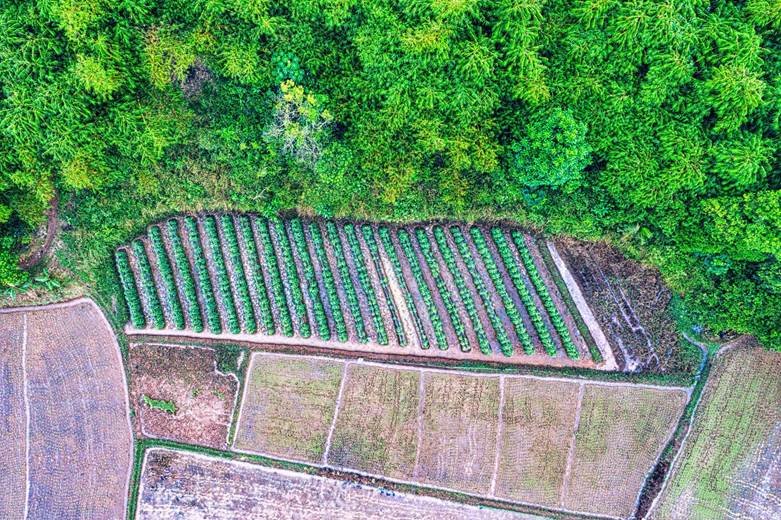
Alt text: agricultural books publishers in India – sustainable agricultural practices
The Core Principles of Sustainable Agriculture
1. Protecting soil health
Healthy soil supports root development, stores water and supplies nutrients essential for plant growth. Intensive tillage, erosion and imbalanced fertiliser use can gradually reduce soil quality.
Sustainable farming promotes practices such as cover cropping, crop rotation, reduced tillage and the application of suitable organic matter. These methods can help limit erosion, support soil organisms and improve nutrient cycling.
2. Using water efficiently
Water availability influences which crops farmers can grow and how reliably they can produce them. Inefficient irrigation can waste water, contribute to waterlogging and increase the risk of soil salinity in some regions.
Drip irrigation, irrigation scheduling, rainwater harvesting and moisture monitoring can help farmers manage water more carefully. The most suitable approach depends on crop requirements, local water supplies and installation costs.
3. Conserving biodiversity
Agricultural biodiversity includes crop varieties, beneficial insects, soil organisms, livestock breeds and the surrounding vegetation that supports farming ecosystems.
Growing different crops across seasons, maintaining field margins and protecting pollinator habitats can help support this diversity. Greater crop diversity may also reduce dependence on a single harvest, although the benefits depend on the crops selected and how the farm is managed.
4. Managing nutrients and pests responsibly
Sustainable agriculture aims to provide crops with the nutrients they need while reducing avoidable losses to the environment. Soil testing, balanced fertilisation and compost application can help farmers make more informed nutrient decisions.
Integrated pest management follows a similar principle. It combines monitoring, preventive measures, biological controls and targeted pesticide use when necessary. Instead of automatically spraying at fixed intervals, farmers assess pest levels and choose interventions based on the risks to their crops.

Alt text: agricultural books publishers in India – natural pesticides
Common Sustainable Agriculture Practices
Several farming methods put these principles into practice.
- Crop rotation: Growing different crops in sequence can interrupt certain pest and disease cycles while helping manage soil nutrients. For example, rotating cereals with suitable legumes can diversify production and improve nitrogen management.
- Cover cropping: Growing plants between main crop cycles helps protect bare soil. Depending on the species, cover crops can suppress weeds, support beneficial organisms and reduce erosion.
- Conservation agriculture: This approach emphasises minimal soil disturbance, permanent soil cover and crop diversification. Its implementation must account for local soil conditions, equipment and weed-management requirements.
- Agroforestry: Integrating trees with crops or livestock can provide shade, diversify farm outputs and support biodiversity. The design must account for competition for sunlight, water and nutrients.
- Integrated crop-livestock farming: Combining crop and animal production can allow crop residues to be used as feed and livestock manure to contribute to soil fertility, provided waste is handled safely and nutrient applications are properly managed.
For readers studying these methods, agricultural books publishers in India can provide useful background on agronomy, soil science and crop management.
Why Is Sustainable Agriculture Important?
Sustainable farming matters because agricultural production depends on resources that can be depleted or degraded. Soil erosion, declining water availability and biodiversity loss can threaten future productivity if they are not managed effectively.
These practices can also improve farm resilience. Crop diversification may spread financial risk, while healthier soils and efficient irrigation can help some farms cope with variable rainfall. Better nutrient management can reduce unnecessary input costs, although savings depend on local conditions and implementation.
Sustainable agriculture also connects farming with food security. Producing enough food over the long term requires systems that consider not only yields but also the affordability of production, the reliability of harvests and the needs of farming communities.
Challenges in Adopting Sustainable Agriculture
- Initial costs and access to resources: New irrigation systems, specialised equipment and soil testing may require investment. Farmers with limited credit or access to technical support may find adoption particularly challenging.
- Short-term trade-offs: Changing crop rotations or reducing tillage can require new management skills. Some farmers may experience temporary yield changes while adjusting their systems, though outcomes vary considerably by crop and location.
- Local suitability: A method that works well in one region may not work as effectively elsewhere. Soil type, rainfall, labour availability and market demand all influence whether a practice is practical.
- Knowledge and market access: Sustainable methods often require careful planning and monitoring. Farmers also need reliable markets for alternative crops and, where relevant, access to buyers who recognise the value of particular production practices.
Research, agricultural extension services and accessible educational resources can help address these barriers. Agricultural books publishers in India contribute to agricultural learning by making knowledge about farming systems and production methods available to students and professionals.
Conclusion
Sustainable agriculture is not a single farming technique but a long-term approach to managing agricultural production. By protecting soil and water, supporting biodiversity and maintaining farm viability, it seeks to balance present needs with future food production. Its success depends on choosing practices that suit local conditions and evaluating their environmental and economic results over time.
Frequently Asked Questions
1. What is the main goal of sustainable agriculture?
Its main goal is to produce food and other agricultural products over the long term while protecting natural resources, supporting farm profitability and considering the well-being of farming communities.
2. Is sustainable agriculture the same as organic farming?
No. Organic farming follows specific production standards governing permitted inputs and practices. Sustainable agriculture is a broader concept that can include organic and conventional methods when they contribute to long-term environmental, economic and social goals.
3. What are some examples of sustainable agriculture?
Examples include crop rotation, cover cropping, integrated pest management, efficient irrigation, agroforestry and conservation agriculture. The most appropriate practices depend on local conditions.
4. Can sustainable agriculture increase crop yields?
It can improve productivity or stabilise yields in some circumstances, particularly when it addresses soil degradation or inefficient resource use. However, results vary, and some practices may involve short-term trade-offs or require time before benefits become apparent.
5. Why is sustainable agriculture important for the future?
It helps address challenges such as soil degradation, water scarcity and biodiversity loss while supporting the continued production of food. It also encourages farming systems to remain economically viable as environmental and market conditions change.
 A & A BOOKS publish books on all Academic subjects of Sciences & Humanities and Agriculture, Veterinary, Animal Husbandry, Horticulture, Food Science and Technology, Dairy Sciences, Biosciences and all Life sciences subjects.