
Importance of Practical Learning in Veterinary Science
Veterinary book publishers in India play an important role in helping colleges and universities
provide learning resources that support both classroom teaching and practical training.
Veterinary education goes far beyond understanding concepts from textbooks. Future
veterinarians must develop the clinical skills, confidence, and decision-making abilities needed
to care for animals in real-world situations. Combining strong academic foundations with
meaningful practical experience helps institutions prepare graduates for the demands of modern
veterinary practice
Theory Builds the Foundation, Practical Learning Builds Confidence
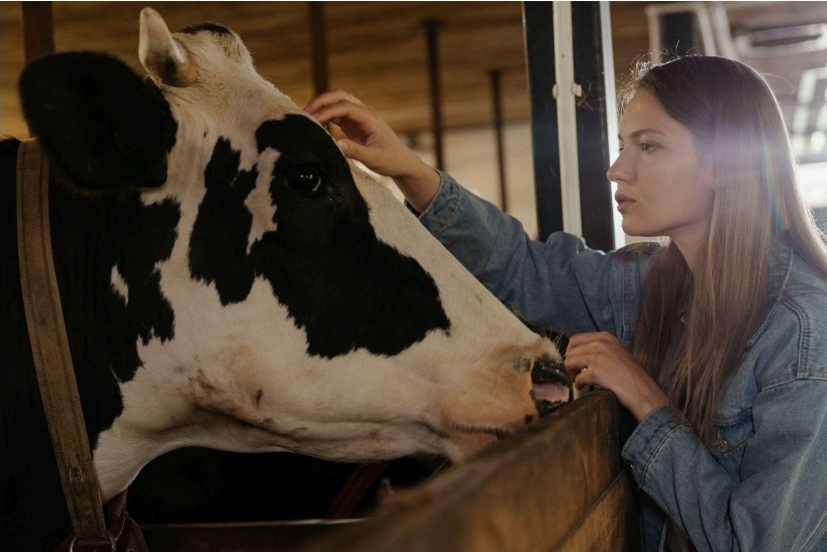
Every veterinary student’s journey begins in the classroom. Subjects such as anatomy,
physiology, pathology, microbiology, and pharmacology provide the scientific foundation needed
to understand animal health and disease.However, understanding these concepts is only the first step. Practical sessions allow students
to observe, apply, and reinforce what they have learned through real-life situations. Working
directly with animals helps build confidence while improving technical skills that cannot be
developed through classroom instruction alone.
A balanced approach that combines theory with practical learning creates graduates who are
better prepared for professional responsibilities.
Clinical Exposure Helps Students Apply Their Knowledge
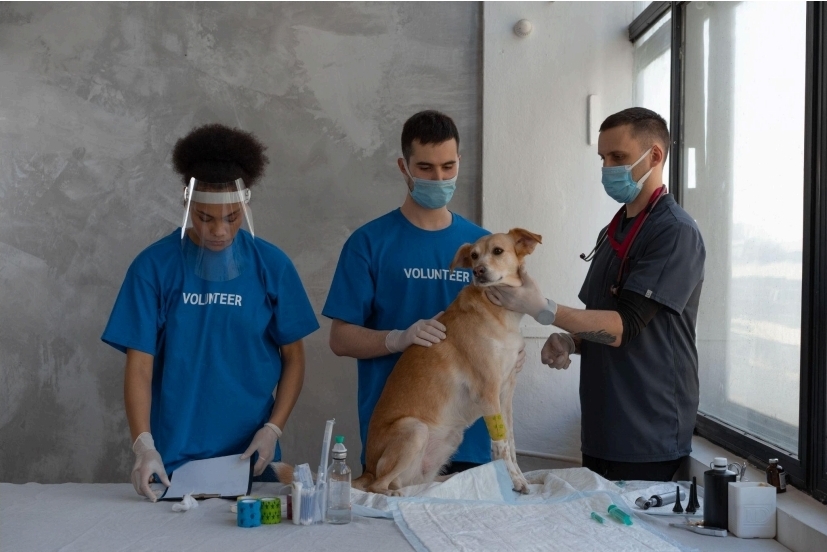
Clinical training is one of the most valuable aspects of veterinary education. Examining animals,
assisting with diagnoses, observing treatment procedures, and participating in case discussions
allow students to connect theoretical knowledge with practical application.
These experiences also expose students to the variety of situations they are likely to encounter
throughout their careers. Every animal presents diferent symptoms, behaviours, and medical
histories, encouraging students to think critically instead of relying solely on textbook
knowledge.
Conclusion
Successful veterinary education is built on a combination of strong academic knowledge and
meaningful practical experience. Classroom learning introduces the principles of veterinary
science, while clinical training transforms those principles into real-world skills. By providing
students with practical opportunities alongside updated learning resources from reliable
veterinary book publishers in India, institutions can prepare graduates for the challenges of
modern veterinary practice. As veterinary medicine continues to advance, veterinary bookpublishers in India will remain valuable partners in supporting high-quality veterinary education
and professional development.
Integrating practical learning within veterinary and agricultural education bridges the gap between complex theoretical science and real-world field applications. While foundational textbooks establish standard principles of physiology, microbiology, and animal husbandry, practical learning equips students with vital diagnostic confidence and surgical precision. Hands-on clinical rotations, lab demonstrations, and field case studies allow learners to observe symptom variations, manage emergency treatments, and master animal welfare standards effectively.
Furthermore, agricultural extension programs and animal healthcare institutions benefit significantly when veterinary curricula emphasize experiential training. By applying laboratory insights directly to farm management and clinical diagnoses, aspiring professionals become well-prepared to tackle emerging zoonotic diseases, enhance livestock productivity, and support sustainable food production systems. Continuous exposure to practical procedures ensures that graduates enter the workforce not just with academic qualifications, but with dependable, industry-ready expertise.
-
-
Moreover, hands-on clinical training enables aspiring veterinary professionals to build essential diagnostic instincts and handle real-world clinical challenges effectively. When students actively participate in surgical procedures, pathology lab evaluations, and farm livestock management, they develop technical confidence that theoretical study alone cannot provide. Academic institutions that combine high-quality textbooks with immersive practical workshops produce competent graduates capable of advancing animal welfare, managing public health concerns, and supporting modern sustainable agricultural practices.
-
The future of veterinary science and modern animal husbandry depends heavily on continuous hands-on experience. Theoretical knowledge lays the scientific groundwork, but practical learning builds diagnostic confidence, manual dexterity, and situational awareness. Whether it involves performing routine livestock vaccinations, diagnosing complicated internal pathologies, or managing field-level dairy herd health, experiential education prepares students for real-world demands.
Furthermore, academic institutions and research departments must invest in clinical simulation labs, interactive field workshops, and collaborative farm internships. When veterinary learners work directly alongside experienced practitioners, they develop critical decision-making skills under emergency pressure. Bridging foundational academic literature with intensive practical learning ensures that the next generation of veterinary professionals can safeguard animal welfare, support agricultural sustainability, and effectively control emerging zoonotic diseases globally.
 A & A BOOKS publish books on all Academic subjects of Sciences & Humanities and Agriculture, Veterinary, Animal Husbandry, Horticulture, Food Science and Technology, Dairy Sciences, Biosciences and all Life sciences subjects.