
An agriculture college library needs books that support learning across the agricultural sciences, from crop production to farm economics. A well-planned collection gives students access to core concepts while helping faculty support practical classes and further study. For librarians building or updating a collection, understanding the major subject areas is a useful starting point.

Alt text: agriculture textbook publishers in India – essential agriculture subjects
1. Agronomy and crop production
Agronomy is central to agricultural education. It covers crop production practices, cropping systems, field management and the relationship between crops and their growing environments.
A library collection in this area can include textbooks on crop production, principles of agronomy, farming systems and sustainable agriculture. Books that explain cultivation practices for important crops can also support coursework and practical learning.
2. Soil science and agricultural chemistry
Soil science helps students understand soil properties, fertility and the role of nutrients in crop growth. Agricultural chemistry adds a foundation for understanding soil reactions and nutrient availability.
Useful titles may cover soil formation, soil classification, soil fertility management, fertilizers and problematic soils. These subjects support students learning how soil conditions influence agricultural productivity.

Alt text: agriculture textbook publishers in India – studying soil science
3. Genetics, plant breeding and seed science
Genetics and plant breeding focus on crop improvement, inheritance and the development of varieties with desirable characteristics. Seed science complements these areas by examining seed quality, production and technology.
Libraries can consider textbooks on genetics, plant breeding, crop improvement and seed technology. These subjects are relevant to students studying crop development and the scientific principles behind improved planting material.
4. Plant pathology and agricultural entomology
Plant pathology examines plant diseases and their causes, while agricultural entomology focuses on insects and their relationships with crops. Both subjects contribute to understanding crop protection and pest management.
A collection can include books on plant diseases, plant pathogens, agricultural pests, beneficial insects and integrated pest management. These titles help students build a foundation for identifying and managing crop health challenges.
5. Horticulture
Horticulture includes the study and production of fruits, vegetables, flowers and other horticultural crops. It also covers areas such as nursery management, crop production and post-harvest practices.
Relevant books may focus on fruit science, vegetable production, floriculture, plantation crops and horticultural crop management. The range of titles should reflect the courses and specializations offered by the college.
6. Agricultural engineering and water management
Agricultural engineering connects engineering principles with farming systems. Topics may include farm machinery, irrigation, drainage, soil and water conservation and agricultural structures.
Textbooks in these areas can support students learning about equipment and systems used in agricultural production. Books on irrigation and water management are also useful for understanding how water resources are managed in farming.
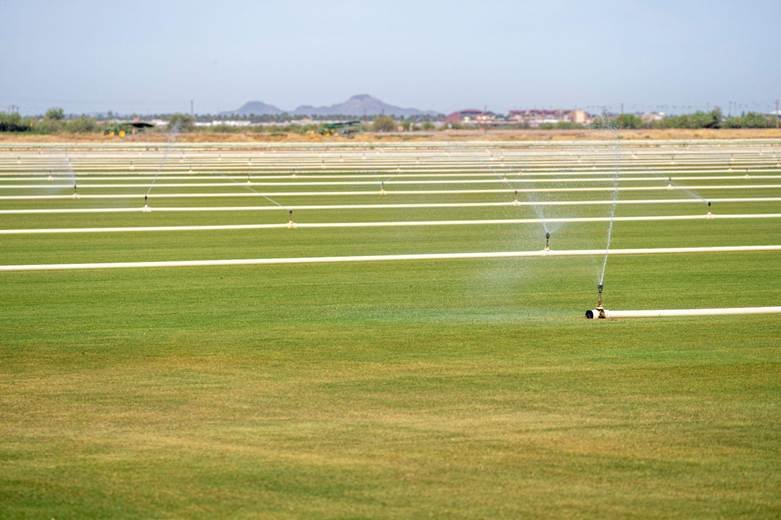
Alt text: agriculture textbook publishers in India – studying water management
7. Agricultural economics and extension education
Agricultural economics explores the financial and economic decisions involved in agriculture. Agricultural extension education focuses on communication and the transfer of agricultural knowledge to farmers and communities.
Libraries can include books on farm management, agricultural marketing, finance and cooperation, alongside titles on extension methods and rural development. These subjects help students understand agriculture beyond crop production itself.
8. Agricultural biotechnology and microbiology
Agricultural biotechnology and microbiology introduce students to biological processes and their applications in agriculture. These fields connect agricultural education with laboratory methods, plant science and research.
Useful titles may cover agricultural microbiology, plant biotechnology, biochemistry and applied biotechnology. Colleges with advanced coursework or research programmes may need more specialized books in these areas.
Planning a balanced agricultural book collection
The subject areas above provide a useful framework, but every agriculture college has its own teaching priorities. A library can begin by reviewing its course structure and identifying the main subjects taught across the programme. Faculty recommendations can help determine which topics require core textbooks and which need supplementary references.
It is also useful to check the edition, publication details and subject coverage of each title before ordering. Where several departments share related subjects, librarians can coordinate requests to avoid unnecessary duplication while ensuring that students have access to the books they need.
Working with academic book publishers in India can help institutions explore titles across agricultural disciplines and confirm book details during procurement. A subject-wise approach makes it easier to identify gaps in the collection and plan future purchases.
Conclusion
A strong agriculture college library supports more than a single course or department. Coverage across agronomy, soil science, crop improvement, plant protection and allied subjects helps students build a broad academic foundation. By reviewing course requirements and consulting faculty, institutions can develop a collection that reflects their teaching and research needs.
For colleges sourcing titles from academic book publishers in India, organizing requirements by subject can make book selection and procurement more focused.
FAQs
1. Which subjects should an agriculture college library cover?
A broad collection may include agronomy, soil science, genetics and plant breeding, plant pathology, entomology, horticulture, agricultural engineering and agricultural economics.
2. Why should agricultural libraries organize books by subject?
Subject-wise organization helps librarians identify collection gaps and makes it easier for students and faculty to find relevant books.
3. Should a college library include both textbooks and reference books?
Yes. Textbooks support structured coursework, while reference books can provide more detailed information for assignments, projects and further study.
4. How can faculty help a library build its agricultural collection?
Faculty can recommend titles based on course content, learning objectives and the level of study. They can also identify subjects where updated or specialized books are needed.
5. How can colleges source books across agricultural disciplines?
Colleges can prepare subject-wise book lists, confirm edition and publication details, and work with academic book suppliers to source the required titles.
 A & A BOOKS publish books on all Academic subjects of Sciences & Humanities and Agriculture, Veterinary, Animal Husbandry, Horticulture, Food Science and Technology, Dairy Sciences, Biosciences and all Life sciences subjects.