
When studying animal care, understanding the five domains of animal welfare model offers a structured way to evaluate living conditions…
Animal welfare involves more than providing food and treating illnesses. It also considers an animal’s living conditions, interactions and emotional experiences. The Five Domains model offers a structured way to understand these factors, and a veterinary books publisher in India can help readers explore the scientific principles behind animal health, behaviour and welfare.
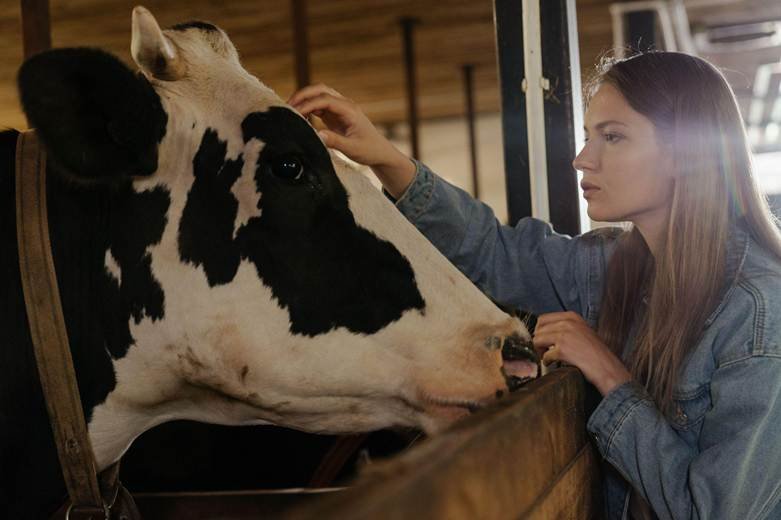
What Is the Five Domains Model of Animal Welfare and Overview of the Five Domains of Animal Welfare?
The Five Domains model is a framework used to assess how different aspects of an animal’s life influence its overall welfare. It considers nutrition, physical environment, health, behavioural interactions and mental state. The model was developed through decades of animal welfare research and updated to reflect advances in scientific understanding.
Unlike approaches that focus mainly on five domains of animal welfarepreventing suffering, the model also considers opportunities for positive experiences. For example, an animal’s welfare may improve when it has access to suitable food, comfortable resting areas and opportunities to engage in behaviours it finds rewarding.
The first four domains help identify conditions five domains of animal welfare that may influence an animal’s experiences. The fifth considers the likely mental effects of those conditions and interactions. Together, they provide a more comprehensive perspective on animal welfare.
The Five Domains of Animal Welfare
1. Nutrition
The nutrition domain considers whether animals receive adequate food and water to meet their needs. Both the quantity and quality of these resources matter, as do the conditions under which animals eat and drink.
Insufficient food can lead to hunger and poor body condition, while inadequate water access can cause dehydration. An unsuitable diet may also contribute five domains of animal welfare to nutritional deficiencies or other health problems.
Positive welfare opportunities include access to appropriate, palatable food and reliable drinking water. Depending on the species, opportunities to forage or explore different food textures may also contribute to positive experiences.
For example, a livestock assessment should consider whether animals receive suitable feed and can access clean water without unnecessary competition.
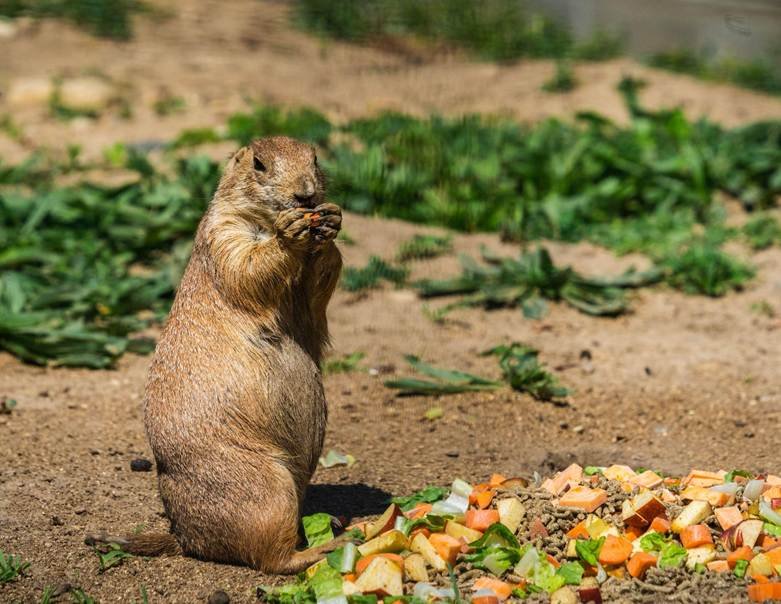
2. Physical environment
The physical environment domain examines the surroundings in which animals live. Important factors include temperature, ventilation, lighting, available space, flooring, shelter and resting areas.
An overcrowded poultry house, for instance, may restrict five domains of animal welfare movement and increase competition for resources. Excessive heat or inadequate ventilation can also compromise animal health and comfort.
Improving the environment means more than meeting basic survival requirements. Suitable resting areas, enough space to move and opportunities to avoid uncomfortable conditions can support better welfare.
The appropriate conditions depend on the animal’s species, age, physical needs and living circumstances.
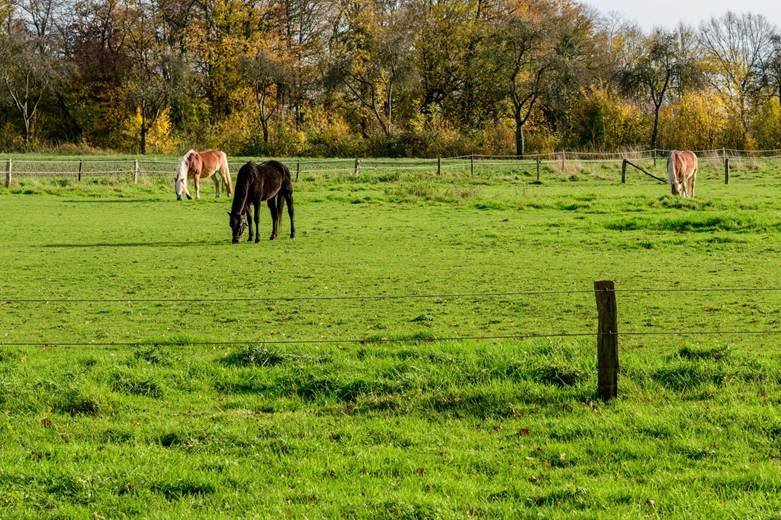
3. Health
The health domain focuses on physical condition and functional ability. It includes disease, injury, pain, mobility problems and other conditions that affect an animal’s ability to function normally.
Routine health checks, appropriate veterinary care, vaccination where indicated and timely treatment can help prevent or reduce suffering. Researchers and animal caregivers must also recognise less obvious signs of illness, including changes in appetite, posture, activity or social behaviour.
Health is closely connected to the other domains. Poor nutrition may contribute to illness, while an unsuitable physical environment may increase the risk of injury or disease.
Resources from a veterinary books publisher in India can help students and readers understand the relationship between clinical health, preventive medicine and broader welfare assessment.
4. Behavioural interactions
This domain considers how animals interact with their physical surroundings, other animals and humans. The updated model places particular emphasis on these interactions because they can influence whether animals experience positive or negative outcomes.
Animals need opportunities to engage in behaviours appropriate to their species. Depending on the animal, these may include exploring, foraging, playing, resting, socialising or seeking privacy.
Human interactions matter, too. Gentle, predictable handling may help an animal feel secure, while rough handling or repeated frightening encounters can contribute to fear and avoidance.
Good welfare management therefore considers not only what resources are available but also whether animals can use them and interact with their surroundings in beneficial ways.
5. Mental state
The mental state domain brings together the likely positive and negative experiences associated with the first four domains. These may include hunger, thirst, pain, fear, comfort, security and enjoyment.
Mental state is central to the model because animal welfare concerns how an animal experiences its circumstances, not simply whether it is alive or free from visible disease.
For example, an animal may receive adequate food and medical care but still experience poor welfare if it is persistently frightened or unable to engage in important behaviours. Conversely, appropriate care and positive interactions may create opportunities for comfort and other rewarding experiences.
These experiences cannot always be measured directly. Welfare assessments therefore rely on relevant physical, physiological, clinical and behavioural evidence to make informed judgements.
A veterinary books publisher in India may provide further reading on animal behaviour, welfare science and the evidence used to assess animal experiences.
How the Five Domains Work Together
The five domains should not be assessed as completely separate elements. Conditions in one area can influence several others.
Consider cattle kept in an environment with limited shade and inadequate access to drinking water. These conditions affect the physical environment and nutrition domains. They may also lead to heat stress, reduced activity and negative experiences associated with thirst or discomfort.
Providing shade and reliable water access may improve physical conditions while supporting better health and more comfortable experiences. The outcome should then be evaluated using observations of the animals rather than assuming that an improvement in facilities automatically guarantees better welfare.
The model can be applied across companion animals, livestock, wildlife and animals used in research, with assessments adapted to the species and circumstances. For readers exploring these applications, a veterinary books publisher in India can be a useful starting point for finding relevant educational material.
Conclusion
The Five Domains model provides a structured way to understand animal welfare by considering nutrition, physical environment, health, behavioural interactions and mental state. Its key strength is that it looks beyond basic physical needs to consider how animals are likely to experience their lives. Applying the framework thoughtfully can help veterinarians, researchers and animal caregivers identify welfare concerns and opportunities for improvement.
Frequently Asked Questions
1. What are the Five Domains of Animal Welfare?
The five domains are nutrition, physical environment, health, behavioural interactions and mental state. Together, they help assess the conditions affecting an animal’s overall welfare.
2. How is the Five Domains model different from the Five Freedoms?
The Five Freedoms describe broad welfare goals, including freedom from hunger, discomfort, pain, fear and restrictions on normal behaviour. The Five Domains model offers a more detailed framework for examining contributing factors and considering both negative and positive experiences.
3. Why is mental state important in animal welfare?
Mental state reflects the likely experiences associated with an animal’s physical condition and interactions. It helps explain why the absence of disease alone does not necessarily indicate good welfare.
4. Can the Five Domains model be used for livestock?
Yes. The framework can be applied to livestock, companion animals, wildlife and other species, provided the assessment accounts for species-specific needs and circumstances.
5. Who uses the Five Domains model?
Veterinarians, animal welfare researchers, livestock managers and organisations concerned with animal care can use the model to structure welfare assessments and identify opportunities for improvement.
 A & A BOOKS publish books on all Academic subjects of Sciences & Humanities and Agriculture, Veterinary, Animal Husbandry, Horticulture, Food Science and Technology, Dairy Sciences, Biosciences and all Life sciences subjects.