
Finding the right tools agriculture professors need for research can simplify managing citations and literature…
Agriculture professors often need to find relevant studies, organise large collections of papers, track citations and manage research data across different projects. Alongside resources from agricultural books publishers in India, the right digital tools can make these tasks faster and more organised. Here are seven tools that can support different stages of agricultural research, from discovering literature to managing references and datasets.

1. Google Scholar for finding academic literature and Key Tools Agriculture Professors Rely On
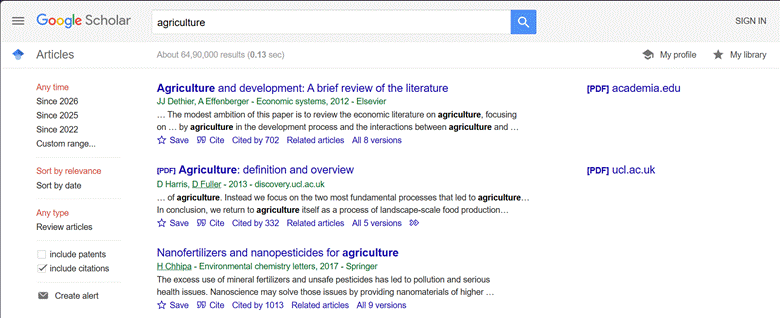
Google Scholar is a useful starting point when agriculture professors need to locate research papers, theses, conference papers and other scholarly material. Its broad coverage makes it useful for exploring a new research topic or finding literature around a tools agriculture professors specific agricultural problem.
Professors can make searches more precise tools agriculture professors by using quotation marks for exact phrases or adding terms related to a crop, region, methodology or research area. The “Cited by” feature can also help researchers identify newer studies that have referenced an important paper.
Best use: Building an initial literature set and tracing research developments around a topic.
2. Zotero for managing references
Agriculture research can involve hundreds of papers across areas such as agronomy, soil science, crop protection and agricultural economics. Zotero helps researchers keep those sources organised instead of managing citations manually.
Professors can create separate collections for different research projects, save bibliographic information from online sources and attach PDFs to individual records. Zotero can also insert citations into documents and generate bibliographies in different tools agriculture professors referencing styles.
For professors who regularly consult material tools agriculture professors from agricultural books publishers in India, journals and other academic sources, keeping references organised from the beginning can make the writing stage much easier.
Best use: Keeping research papers and citations organised throughout a project.
3. ResearchGate for discovering research and researchers
ResearchGate can help agriculture professors discover papers and follow researchers working in related fields. It can be particularly useful when a professor wants to explore a specialist topic or identify researchers working on similar problems.
Following relevant researchers and topics can also make it easier to notice newly shared publications. Professors can use these connections to discover potential tools agriculture professors collaborators or identify research that may be relevant to their own work.
Best use: Discovering research communities tools agriculture professors and keeping track of work by specific researchers.
4. Scopus for tracking research and citations
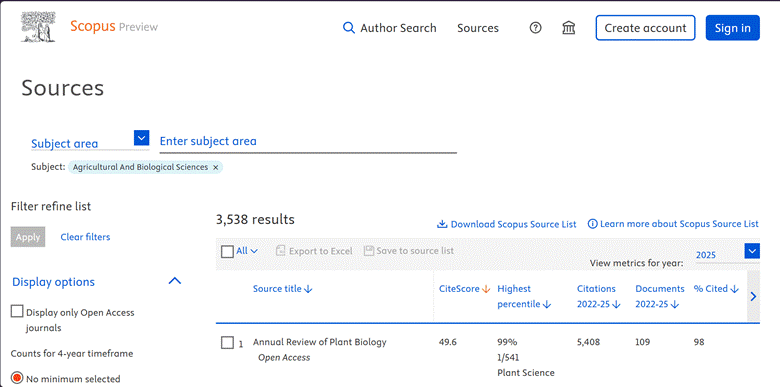
Scopus can be useful when literature discovery needs to go beyond a basic keyword search. Agriculture professors can use its indexed literature and citation information to investigate how a research topic has developed and which studies have influenced later work.
Citation information can also help researchers identify highly referenced papers and researchers working in a particular area. This can be useful when conducting a literature review or mapping the research landscape before beginning a new project.
When professors are assessing research alongside books and other material from agricultural books publishers in India, citation databases can provide another way to evaluate how widely particular studies have been discussed or referenced.
Best use: Analysing literature, citation patterns and research trends.
5. Web of Science for literature and citation analysis
Web of Science provides another way to search scholarly literature and examine citation relationships. Agriculture professors can use it to identify publications relevant to a research question and trace how particular studies have been cited over time.
It can be especially useful when a research project requires a structured search across scholarly literature rather than relying on general web results.
This can complement the use of textbooks and specialist publications sourced through agricultural books publishers in India, particularly when a professor needs to compare established knowledge with more recent research.
Best use: Structured literature searches and citation analysis.
6. Mendeley for organising research papers
Mendeley can help professors maintain an organised library of research papers. Instead of keeping PDFs scattered across folders, researchers can use a reference-management system to store and organise them alongside their bibliographic information.
This becomes particularly useful when a professor is working on multiple papers or supervising postgraduate research. Organising papers by project, subject or research theme makes relevant literature easier to retrieve later.
Best use: Managing collections of research papers and associated bibliographic information.
7. Google Dataset Search for finding research data
Research does not always begin with journal articles. Agriculture professors may also need datasets covering crops, weather, soil, land use or other variables relevant to their research.
Google Dataset Search can help researchers locate datasets published by governments, universities, research organisations and other sources. Before using a dataset, professors should check who produced it, when it was collected, what methodology was used and whether its terms permit the intended use.
For research projects that combine information from agricultural books publishers in India with quantitative evidence, datasets can provide an additional source of material for analysis and comparison.
Best use: Finding datasets that can support agricultural research and analysis.
How to choose the right research tools
These tools serve different purposes, so agriculture professors do not need to use all seven for every project. A practical workflow could look like this:
-
- Discover literature: Start with Google Scholar, Scopus or Web of Science
-
- Organise sources: Use Zotero or Mendeley to maintain a research library
-
- Follow researchers: Use ResearchGate to explore relevant researchers and research communities
-
- Find data: Use Google Dataset Search when the project requires datasets
-
- Track citations: Return to Scopus or Web of Science when analysing how research has developed
The most useful combination depends on the research question, the size of the project and the type of evidence required.
Conclusion
Digital research tools can reduce the time agriculture professors spend searching for papers, organising references and locating supporting data. Using the right tool for each stage can make research workflows more systematic without adding unnecessary complexity.
FAQs
1. Which tool is best for finding agricultural research papers?
Google Scholar is a useful starting point, while Scopus and Web of Science can support more structured literature and citation searches.
2. Is Zotero useful for agriculture research?
Yes. Zotero can help professors organise papers, manage bibliographic information and insert citations while writing research papers.
3. What is the difference between Zotero and Mendeley?
Both are reference-management tools that can organise research papers and citations. Researchers can choose between them based on their preferred workflow and features.
4. Can ResearchGate help professors find collaborators?
It can help researchers discover academics working on related subjects and explore their publications, which may support collaboration opportunities.
5. Why should agriculture researchers use citation databases?
Citation databases can help researchers trace influential studies, identify related research and understand how a particular research area has developed.
6. Where can agriculture professors find datasets for research?
Google Dataset Search can help locate datasets from different organisations. Researchers should evaluate the source, methodology, date and usage conditions before using any dataset.
 A & A BOOKS publish books on all Academic subjects of Sciences & Humanities and Agriculture, Veterinary, Animal Husbandry, Horticulture, Food Science and Technology, Dairy Sciences, Biosciences and all Life sciences subjects.