
Building a useful college library requires more than filling shelves with textbooks. Libraries need resources that support classroom learning, independent study, faculty teaching, and academic research across different departments. Working with academic books reliable academic book suppliers in India can help colleges build collections that meet these varied requirements while keeping their resources relevant and up to date.

Alt text: academic book suppliers in India: assortment of academic books
1. Textbooks for Core Subjects
Textbooks remain one of the most important parts of any college library. They provide structured coverage of subjects taught across undergraduate academic books and postgraduate programmes and can serve as a common reference point for students and faculty.
Libraries should consider multiple relevant titles for core subjects rather than relying on a single textbook. Different authors may explain the same concepts in different ways, giving students additional perspectives when they need clarification.
When selecting textbooks, librarians can consider the courses offered by each department, recommendations from faculty, the relevance of the content, and whether newer editions are available. Reliable academic book suppliers in India can also help institutions source titles across multiple disciplines.
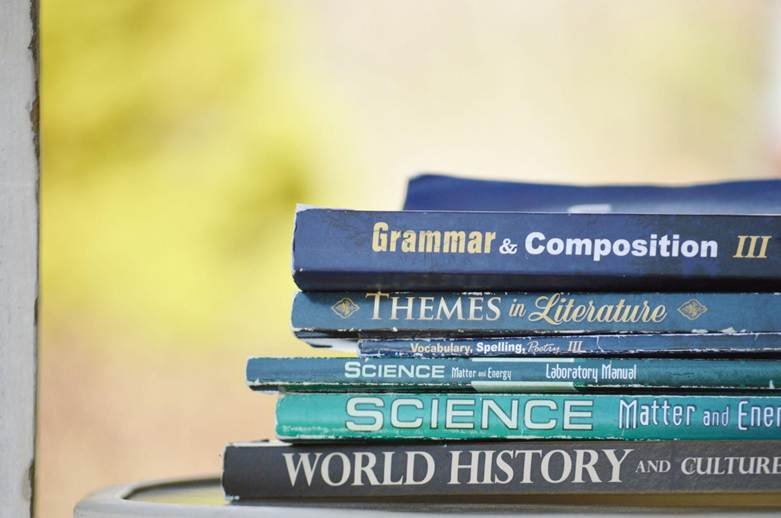
Alt text: academic book suppliers in India: core subject text books
2. Reference Books and Handbooks
Reference books serve a different purpose from regular textbooks. academic books Encyclopaedias, handbooks, dictionaries, technical references, and subject-specific guides can help students and faculty quickly access definitions, concepts, established theories, and detailed information.
These resources are particularly valuable for libraries supporting specialised departments. A student researching a particular topic may need more than an introductory textbook, while faculty members can use reference material when preparing lectures or exploring unfamiliar areas within their field.
3. Research-Oriented Academic Books
College libraries also need resources that support research. Research monographs, scholarly books, edited volumes, academic books and advanced subject texts can give postgraduate students and faculty access to deeper discussions of specialised topics.
These books are especially useful for institutions with active research departments. They can help researchers understand existing scholarship, explore different approaches to a subject, and identify areas for further investigation.
A strong research collection also makes the library more useful to faculty members who need resources beyond standard course material.
4. Books for Specialised and Emerging Subjects
Academic disciplines continue to evolve, with new areas of study emerging alongside established subjects. academic books Libraries therefore need to look beyond the most frequently taught courses when developing their collections.
Books covering specialised subjects, interdisciplinary fields, and emerging areas can help institutions keep their academic resources relevant. This can be particularly important for colleges introducing new programmes or updating existing curricula.
Departments can work with librarians to identify areas where additional resources are needed before selecting new titles from academic book suppliers in India.
5. Practical and Laboratory-Based Books
For science, engineering, agriculture, veterinary science, medicine, and other practical disciplines, theoretical textbooks alone may not be sufficient.
Libraries can include laboratory manuals, practical guides, field manuals, workbooks, and books explaining experimental techniques. These resources can complement classroom teaching by helping students understand how theoretical concepts are applied in practical settings.
Such books can also be useful when students prepare for laboratory sessions, fieldwork, projects, and practical examinations.

Alt text: academic book suppliers in India: laboratory books
6. Books for Faculty and Professional Development
Library collections should also consider the needs of teaching staff. Faculty members may require books covering advanced subject knowledge, academic books teaching methodologies, curriculum development, research methods, and developments within their disciplines.
Professional development resources can help faculty stay informed about changes in their fields and explore new approaches to teaching and research.
Including faculty-oriented resources ensures that the library supports the wider academic community rather than serving students alone.
7. Books Supporting Interdisciplinary Learning
Students and researchers increasingly work across traditional subject boundaries. A student studying agriculture, for example, may also need resources covering environmental science, economics, biotechnology, or data analysis.
Libraries can therefore benefit from maintaining some interdisciplinary resources alongside department-specific collections. These books can encourage students to explore connections between subjects and provide researchers with perspectives outside their primary discipline.
A diverse catalogue from established academic book suppliers in India can make it easier for institutions to develop this broader collection.
Conclusion
A strong college library should serve different academic purposes rather than focusing exclusively on prescribed textbooks. Textbooks, reference works, research publications, specialised titles, practical guides, faculty resources, and interdisciplinary books can each contribute something different to the institution’s collection.
The right mix will depend on the college’s programmes, research priorities, faculty recommendations, and available budget. By clearly identifying these requirements before procurement, librarians and academic administrators can work more effectively with academic book suppliers in India and build collections that remain useful to their academic community.
FAQs
1. What types of books should a college library have?
A college library should consider textbooks, reference books, research-oriented publications, practical manuals, specialised academic books, faculty development resources, and interdisciplinary titles.
2. How should colleges decide which academic books to purchase?
Libraries can consider course requirements, faculty recommendations, student needs, research priorities, new programmes, and gaps in their existing collections.
3. Why are reference books important in college libraries?
Reference books provide detailed and easily accessible information that can supplement textbooks and support teaching, assignments, research, and independent learning.
4. Should college libraries purchase books for faculty?
Yes. Faculty may need advanced subject texts, research publications, professional development resources, and books related to teaching and curriculum development.
5. How can libraries support emerging academic disciplines?
Libraries can regularly review new programmes and developments within different fields and add books covering emerging subjects and interdisciplinary areas.
6. How can colleges source books across multiple academic disciplines?
Institutions can work with established academic book suppliers in India that maintain catalogues covering multiple subjects and can support institutional procurement.
 A & A BOOKS publish books on all Academic subjects of Sciences & Humanities and Agriculture, Veterinary, Animal Husbandry, Horticulture, Food Science and Technology, Dairy Sciences, Biosciences and all Life sciences subjects.