
Introduction to Sustainable Agriculture
Advancing sustainable agriculture is essential for feeding a growing global population while protecting natural resources, making it one of the greatest challenges of the 21st century. According to the United Nations, the world’s population is expected to reach nearly 10 billion by 2050, increasing the demand for food, water, and sustainable farming practices. At the same time, climate change, soil degradation, water scarcity, biodiversity loss, and emerging plant and animal diseases continue to place pressure on agricultural systems.
Meeting these challenges requires more than advanced technology—it requires education, scientific research, and access to reliable knowledge. Universities, research institutions, extension professionals, and policymakers all depend on accurate educational resources to develop innovative solutions that improve agricultural productivity while preserving the environment.
Academic books continue to play a vital role in this mission. They provide comprehensive, peer-reviewed information that helps students build strong foundations, supports researchers in advancing scientific discoveries, and enables professionals to apply evidence-based practices in the field.
For disciplines such as agriculture, veterinary science, horticulture, food science, biotechnology, environmental science, and animal husbandry, high-quality academic publications remain essential resources for learning, teaching, and innovation.
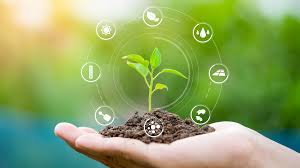
Understanding Sustainable Agriculture
Sustainable agriculture is an approach to farming that seeks to produce enough food for present and future generations while minimizing environmental impact and maintaining economic viability.
Rather than focusing solely on increasing yields, sustainable agriculture balances three key objectives:
-
- Environmental protection
-
- Economic sustainability
-
- Social responsibility
This approach encourages farming methods that conserve natural resources, improve soil health, reduce pollution, and support resilient food systems.
Why Food Security Matters
Food security exists when all people have reliable access to sufficient, safe, and nutritious food that meets their dietary needs throughout the year.
Achieving food security depends on multiple factors, including:
-
- Agricultural productivity
-
- Climate resilience
-
- Healthy livestock
-
- Efficient food distribution
-
- Scientific innovation
-
- Sustainable resource management
As global challenges continue to evolve, education becomes one of the most powerful tools for strengthening food systems.
How Academic Books Support Agricultural Education
Universities and agricultural colleges rely on academic books to provide students with structured learning and scientifically accurate information.
Unlike fragmented online resources, academic books offer a comprehensive understanding of complex subjects, allowing learners to progress from foundational concepts to advanced applications.
Students studying agriculture often explore topics such as:
-
- Crop production
-
- Soil science
-
- Plant pathology
-
- Agricultural economics
-
- Precision agriculture
-
- Irrigation management
-
- Sustainable farming systems
-
- Agricultural biotechnology
A well-designed academic book connects these subjects into a coherent learning experience that prepares students for careers in agriculture and research.Blogs
Building the Next Generation of Researchers
Scientific research is essential for improving crop yields, controlling diseases, conserving resources, and developing innovative farming technologies.
Academic books support researchers by providing:
-
- Established scientific theories
-
- Research methodologies
-
- Historical context
-
- Comprehensive literature reviews
-
- References for further investigation
By building on existing knowledge, researchers can develop new solutions to address global agricultural challenges.
Supporting Veterinary Science and Animal Health
Healthy livestock are a cornerstone of sustainable agriculture and global food security.
Veterinary science plays an important role in:
-
- Disease prevention
-
- Animal nutrition
-
- Reproductive health
-
- Biosecurity
-
- Animal welfare
-
- Public health
Academic books in veterinary medicine help students and professionals understand the latest scientific developments while promoting responsible animal care and sustainable livestock production.
Encouraging Innovation in Agriculture
Agriculture is becoming increasingly technology-driven.
Modern innovations include:
-
- Precision farming
-
- Artificial intelligence
-
- Drone technology
-
- Remote sensing
-
- Smart irrigation
-
- Robotics
-
- Genomics
-
- Climate modeling
Academic publications help explain these emerging technologies while connecting them to practical agricultural applications.
This allows students and professionals to adapt to changing industry needs with confidence.
Why Reliable Information Is More Important Than Ever
The internet offers an enormous amount of agricultural information, but not all sources are accurate or evidence-based.
Academic books provide several important advantages:
Peer-Reviewed Content
Scientific accuracy is carefully evaluated before publication.
Structured Learning
Readers can build knowledge progressively without missing essential concepts.
Long-Term Reference
Unlike constantly changing online content, academic books provide stable, authoritative resources that remain valuable over time.
Comprehensive Coverage
Books explore topics in greater depth than short articles or online summaries.
The Role of Academic Publishers
Academic publishers serve an essential function in the scientific community.
They help ensure that educational resources meet high standards through:
-
- Editorial review
-
- Peer review
-
- Professional design
-
- Accurate referencing
-
- Quality production
-
- Global distribution
By publishing reliable academic resources, they contribute to the advancement of education and scientific knowledge worldwide.Explore Our Publications
Why Academic & Agrovet Books?
Academic & Agrovet Books is dedicated to publishing scholarly resources across agriculture, veterinary science, horticulture, food science, dairy science, biotechnology, environmental science, and related disciplines.
Its publications are designed to support:
-
- University students
-
- Researchers
-
- Educators
-
- Academic libraries
-
- Scientists
-
- Agricultural professionals
-
- Veterinary practitioners
Through a commitment to quality publishing and scientific excellence, Academic & Agrovet Books helps strengthen education and research while supporting lifelong learning.
Frequently Asked Questions
Why is sustainable agriculture important?
Sustainable agriculture helps produce food while protecting natural resources, improving environmental health, and supporting future generations.
How do academic books contribute to food security?
They educate students, support scientific research, and provide evidence-based knowledge that improves agricultural practices and innovation.
Who benefits from agricultural academic books?
Students, educators, researchers, farmers, veterinarians, policymakers, and agricultural professionals all benefit from reliable academic publications.
Why are peer-reviewed books valuable?
Peer-reviewed books undergo expert evaluation to ensure accuracy, credibility, and scientific integrity before publication.
Are academic books still relevant in the digital era?
Yes. They provide structured, comprehensive, and authoritative knowledge that complements digital learning resources and remains essential for higher education and research.
Conclusion
Sustainable agriculture and food security depend on more than technological advancements—they rely on education, research, and the effective sharing of scientific knowledge. Academic books continue to serve as trusted resources that prepare students, empower researchers, and support professionals working to address some of the world’s most pressing agricultural challenges.
By publishing high-quality academic resources across agriculture, veterinary science, biotechnology, food science, and related disciplines, Academic & Agrovet Books contributes to a stronger educational foundation for future scientists, educators, and industry leaders. As agriculture continues to evolve, reliable academic publishing will remain an essential part of building resilient food systems and advancing sustainable development.Welcome to A&A Books
 A & A BOOKS publish books on all Academic subjects of Sciences & Humanities and Agriculture, Veterinary, Animal Husbandry, Horticulture, Food Science and Technology, Dairy Sciences, Biosciences and all Life sciences subjects.